
How to Select a Slurry Pump: A Comprehensive Guide for Global Buyers
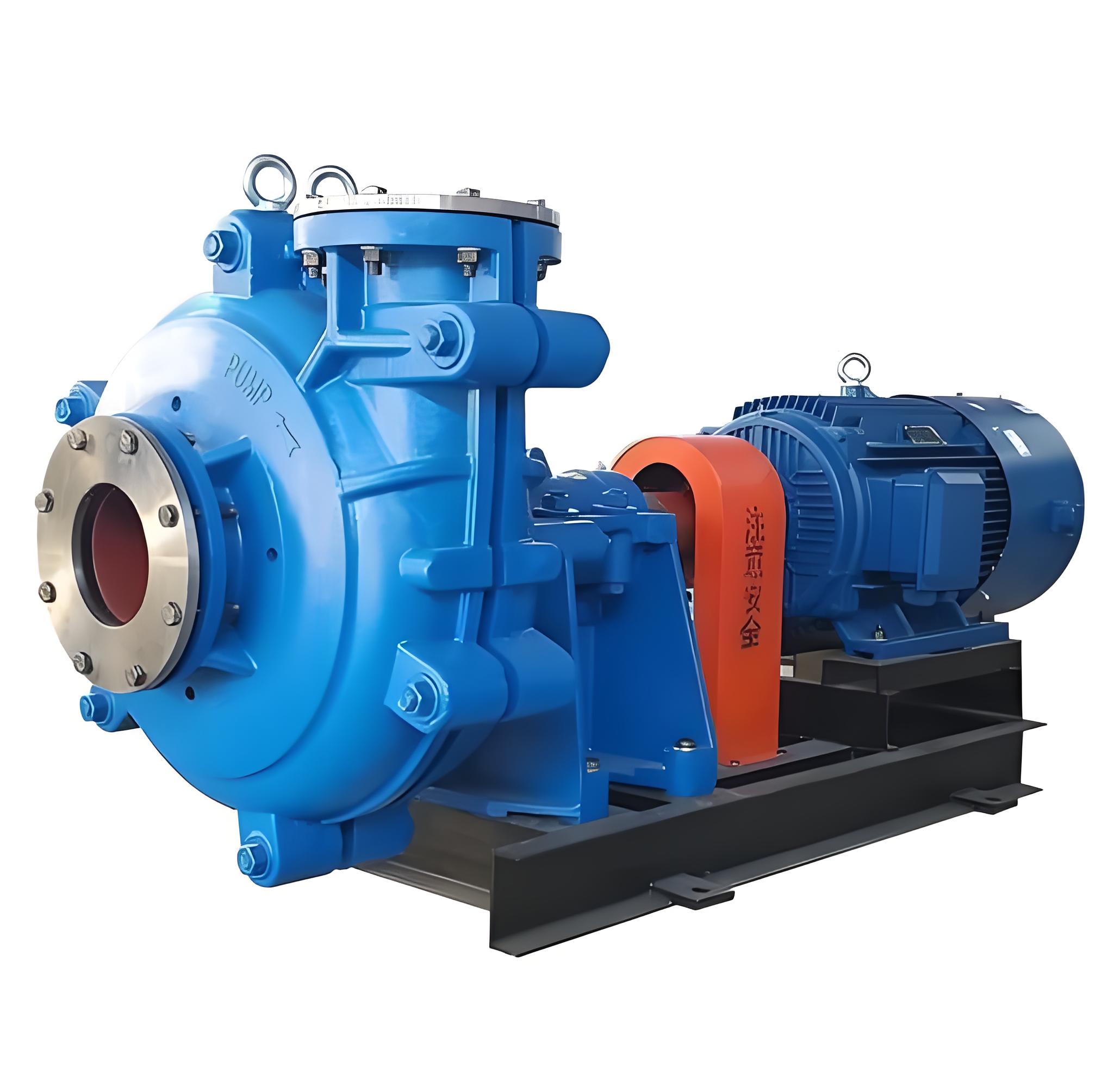
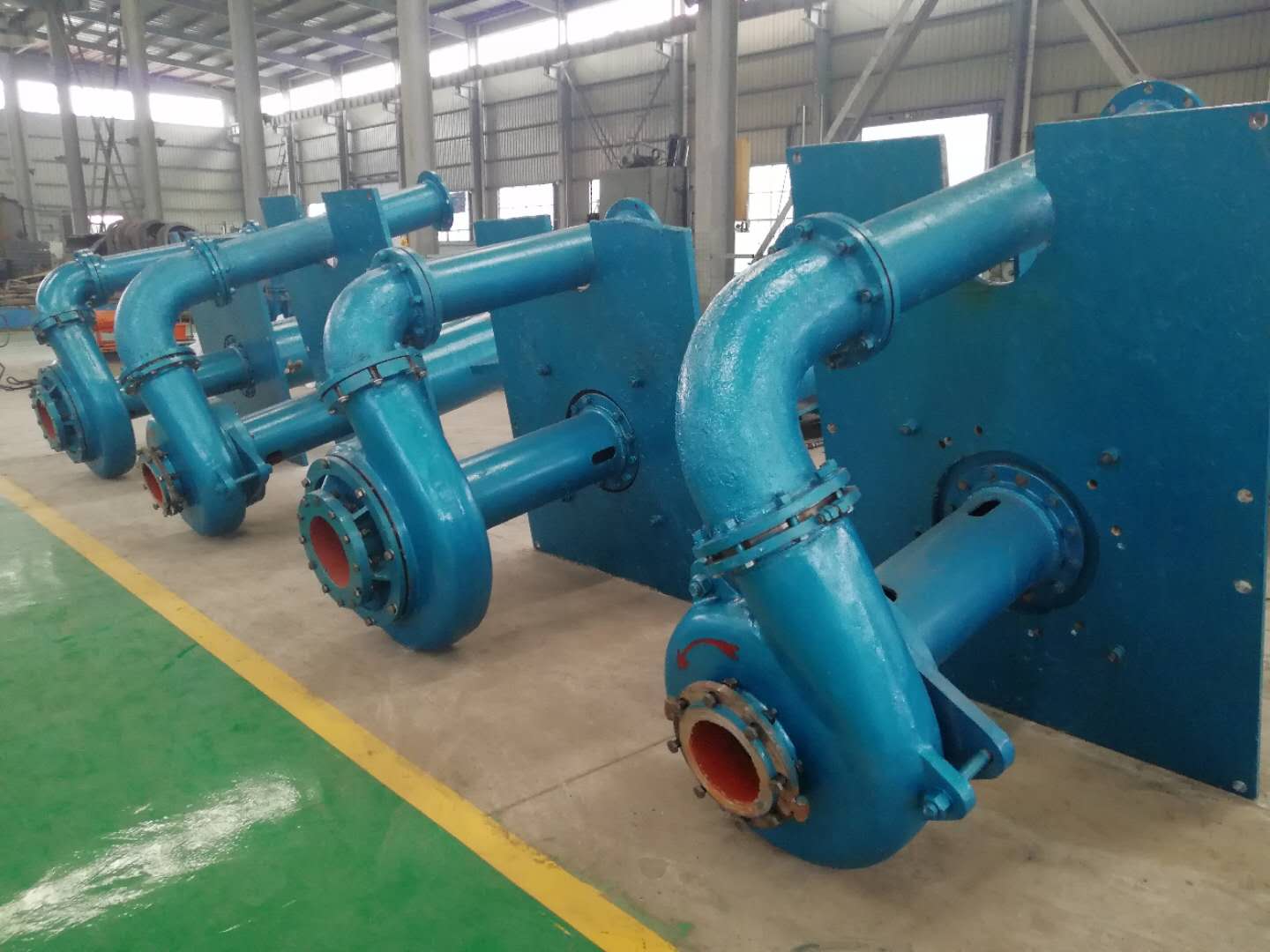
How to Select a Slurry Pump: A Comprehensive Guide for Global Buyers (For importers, EPC contractors and mine owners seeking a practical, repeatable checklist to share with teams or suppliers) 1. Define the Duty Parameters Pre-Quote Accurate duty point data is the foundation of effective pump selection. Before engaging suppliers, confirm these critical parameters: Flow rate (Q): Specify design-point flow in m³/h or GPM. Avoid relying on "maximum pipe capacity"—focus on actual operational requirements. Total dynamic head (H): Calculate in metres or feet, encompassing static lift, pipe friction losses, and required discharge pressure. Slurry specific gravity (SG): Measure directly; never assume water-like properties (SG=1.0). Solids characteristics: Include d₈₀ particle size, weight percentage concentration, particle shape (angular/round), hardness (Mohs scale), and corrosiveness (pH level, chloride ion concentration in ppm). Fluid conditions: Note temperature ranges (including spikes), and presence of additives like oil or flocculants. Pro Tip: Include these five parameters in your initial inquiry to suppliers. This filters out 70% of unsuitable proposals immediately, streamlining the selection process. 2. Align Pump Type with Service Class Matching pump design to slurry severity ensures optimal performance and longevity: Class 1 (Light slurry): For slurries with <15% weight concentration, d₈₀ <150µm, and SG <1.2. Choose single-stage rubber-lined horizontal pumps (e.g., AH series). Class 2 (Medium slurry): For 15–30% concentration, d₈₀ 150µm–3mm. Select hard-metal wet-end pumps with thick liners (450–600 Brinell hardness). Class 3 (Heavy slurry): For >30% concentration, d₈₀ >3mm, and SG >1.5. Opt for high-pressure gravel pumps (dredge-type) or positive-displacement hose/piston pumps. Special scenarios: For high suction lifts or deep sumps, vertical cantilever (SP/SPR) or submersible (ZJQ) pumps reduce shaft seal complications. 3. Material Selection: Rubber vs. Metal vs. Polyurethane Material compatibility directly impacts wear resistance and lifespan. Use these guidelines: Acidic environments (pH 1–6) with sharp quartz: Hi-Chrome alloys (A05, A49) offer superior abrasion resistance. Neutral to alkaline conditions (pH 6–12) with rounded particles: Natural rubber (R08) provides cost-effective wear protection. Highly alkaline (pH >12) or oil-contaminated slurries: Polyurethane or 316L stainless steel overlays resist chemical degradation. Large particles (>5mm) at high velocities: Metal components only—rubber liners are prone to cutting. Action Step: Request a "slurry wear index" calculation from suppliers. Reputable manufacturers will provide this within 24 hours when furnished with solids data from Section 1. 4. Critical Hydraulic Calculations Equivalent water head conversion: Calculate water-equivalent head as H_w = H × SG to ensure pump performance matches slurry density. NPSH considerations: Verify NPSH-available ≥ NPSH-required + 0.6m safety margin. Slurry pumps are more susceptible to cavitation than water pumps due to higher density. NPSH optimization: For tight NPSH scenarios, select low-speed (4-pole) motors or larger eye impellers instead of trimming impeller diameters—this preserves efficiency. 5. Impeller & Motor Sizing: Balancing Lifespan and Efficiency Optimal flow velocity: Maintain 2–3m/s in pipelines for settled solids; limit to <4m/s to minimize liner wear. BEP alignment: Select operating points left of the Best Efficiency Point (BEP). Slurry pumps achieve maximum lifespan at 70–85% BEP flow, as casing wear increases exponentially above BEP. Motor sizing: Calculate shaft power based on specified SG. Oversize motors by 15% if seasonal SG increases are anticipated to prevent overload. 6. Seal & Drive Specifications: Avoiding Common Oversights Sealing systems: Expeller + packing combinations offer economical solutions for non-critical applications. Mechanical seals are recommended only for toxic slurries or when leakage is prohibitive. Drive configurations: Direct-coupled (frame-mounted) systems suit fixed-speed operations. Variable Frequency Drives (VFDs) are advisable for multi-flow rate requirements. Baseplate standards: Insist on API 610 or ISO 5199 compliant fabricated steel bases with grout holes. Cast iron bases are prone to cracking during transit. By systematically addressing these parameters, global buyers can mitigate risks of premature failure, optimize lifecycle costs, and ensure seamless integration with existing systems.
 Slurry Pump Seal Failure? The
 Horizontal vs. Vertical Slurry
 Slurry Pump Efficiency Droppin
 Three Hidden Causes of Ball Va

Click to Chat.
Im online now.